 Music in a game does more than fill silence—it dictates pacing, signals danger, and grounds the player’s emotional experience.
While AAA studios rely on massive audio teams to map these details across a multi-year project, indie developers must achieve the exact same cohesion with significantly fewer resources, often juggling coding, art, and marketing simultaneously.
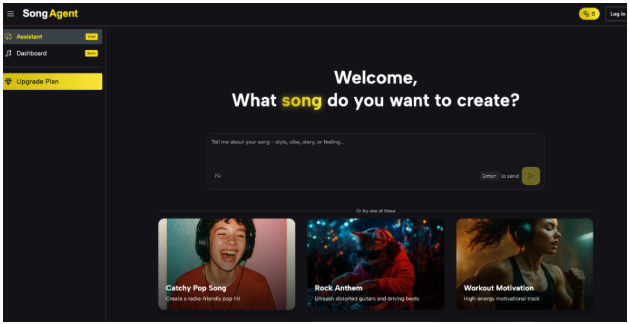
To solve this, audio planning must happen long before individual tracks are generated. By building a strategic framework first, you can use an AI Music Agent to create a dynamic, interconnected soundtrack rather than a disjointed playlist of unrelated stock songs that break player immersion.
 Companies are always looking for ways to engage their customers. By 2025, loyalty programs are evolving to provide engaging and rewarding experiences. The companies realize that old-fashioned systems by themselves aren’t enough to keep customers interested.
 Do you work with a computer all day?
 If you’re old enough to remember all those awesome Atari games folks played back in the day, I have some good news…