 The narrative surrounding generative AI often centers on the “magic” of the prompt. We are told that with the right combination of descriptive adjectives and technical parameters, a high-fidelity marketing asset will simply materialize.
In a controlled demo, this holds true. In a high-stakes production environment, the reality is far messier. A creator might spend three hours “prompt engineering” a specific scene in Flux or Seedream, only to find that while the lighting is perfect, the subject’s hand has six fingers, or a background object is nonsensically fused into a wall. [Read more…]
 People ask me for tech recommendations constantly, and most of the time my honest answer is that it does not matter much, pick whatever works. Saving TikTok videos is one of the rare cases where I have a firm opinion.
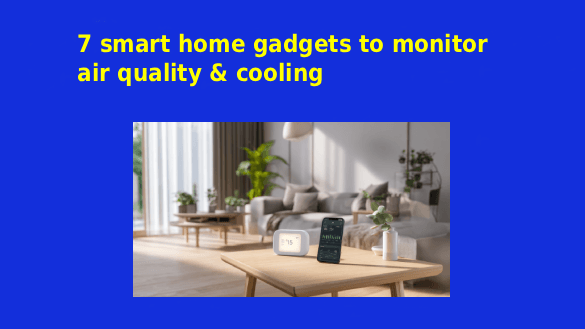 Modern homes generate data about the air inside them, and you can finally read it. Things that used to be invisible — fine dust, carbon dioxide buildup, humidity creep, and how hard your air conditioner is actually working — now show up as live numbers on your phone. A handful of affordable smart home gadgets turn indoor air quality and cooling performance into something you can watch, track, and act on.
 We should think of the medical licensing journey as a two-part blockbuster movie. Step 1 was the origin story—a gritty, scientific drama where you sat in a dark room memorizing the molecular structure of fungi and why certain enzymes turn a patient’s pee blue.
 You’re in the kitchen at 8 o’clock in yesterday’s T-shirt. Waiting for the kettle to finish. Messages on your phone that you’ve not yet replied to. The back door is open to the sound of a lawn mower working across town. The noise is piercing. It’s hard to focus. You’re going to find yourself impatient. Rushed meals. Even quiet is fleeting.