 A few carefully chosen travel accessories can prevent dead batteries, misplaced essentials, and hours spent dragging a suitcase around town. The best upgrades solve specific problems without adding much weight to your bag.
Before buying anything, think about the friction you experienced on your last trip.
Perhaps your charging setup didn’t fit the hotel outlet, small items disappeared inside your suitcase, or outside noise made it hard to rest. Use those annoyances to build a compact travel kit that works for the way you actually travel.
Choosing the Right Travel Adapters
Check the outlet type and voltage standard for every country on your itinerary before packing an adapter. A plug adapter changes the physical connection, but it doesn’t convert voltage. Many modern phone and laptop chargers accept 100 to 240 volts, though you should always read the small-print input rating on each device.
A universal adapter can cover several regions in one compact unit. Look for firmly locking plug mechanisms, USB-C ports and enough total output to charge your devices at a practical speed. The current travel adapter recommendations from Wirecutter provide useful examples of the features found in well-designed models.
Count your devices before deciding how many ports you need. A phone, smartwatch and tablet can easily occupy three ports overnight. If your adapter has only one high-power USB-C connection, your laptop may compete with everything else for charging time.
Frequent travelers may also benefit from packing a short extension cord or compact power strip. Hotel rooms often have inconveniently placed outlets, especially near beds and desks. Rick’s guide to traveling with a power strip explains several practical precautions. Choose a model designed for travel and confirm that its electrical rating suits your destination and equipment.
Test the entire charging setup at home. Connect every cable and device at once, then label similar-looking cords with small colored tags so you can identify them quickly.
Packing Organizers for Every Trip
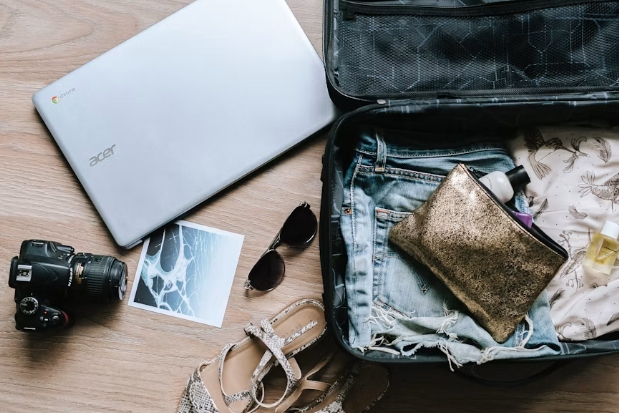
Packing cubes keep clothing grouped by category, which reduces the need to empty your suitcase when you need one shirt. Use one cube for tops, another for bottoms and a smaller one for sleepwear. Compression models can reduce bulk, but overfilling them may create hard, awkward shapes that waste space around the edges of your bag.
Small pouches are equally helpful. Assign one to charging cables, one to personal care items and one to documents or travel-day essentials. This system makes security checks and hotel departures easier because every item has a predictable home. A few examples from this list of useful travel gear may help you decide which organizer styles suit your packing habits.
Organizers also make it easier to separate clean and worn clothing. Pack a lightweight laundry bag that closes securely, then move used items into it as the trip progresses. You’ll avoid mixing everything together and unpacking at home will take less time.
Think beyond what goes inside your suitcase. On a day between hotel checkout and an evening train, temporary storage can free you to explore without hauling bags over sidewalks or into crowded attractions. Travelers planning a stop in northern Poland can check where to store luggage near Gdansk Glowny and book a storage location online. Confirm opening hours and allow enough time to collect your belongings before departure.
Track Your Belongings with Modern Tech
A small Bluetooth tracker can help locate a suitcase, backpack or key pouch. Place one inside the bag instead of attaching it visibly to the exterior, where it could catch on a conveyor belt or become detached. Rename each tracker in its app, so alerts identify “blue suitcase” or “camera bag” instead of showing a generic device name.
Trackers have limits. Their location information may depend on nearby compatible phones and network coverage, so they shouldn’t replace identification tags or sensible handling. Write your name, email address and phone number on a luggage tag. Avoid listing your full home address where strangers can easily read it.
Set up each tracker several days before departure. Install any updates, enable the required phone permissions, and test the alert sound from another room. Check the battery status too. Some models use replaceable coin cells while others need periodic charging.
Digital organization matters as much as physical tracking. Save copies of your itinerary, booking confirmations, and travel insurance details in a secure cloud folder that you can reach from another device. Keep offline copies of the documents you may need when mobile service is unavailable. A password-protected phone note can hold reservation numbers, but highly sensitive personal information belongs in an encrypted password manager or secure document app.
Before leaving a hotel, perform the same quick scan every time: outlets, nightstand, bathroom, closet and under the bed. Technology helps, but a 30-second room check catches items that were never tagged.
Unlock City Exploration, Unburdened
A useful day bag should carry the basics without becoming another heavy piece of luggage. For most city outings, that means water, a compact charger, weather protection, personal essentials and a reusable shopping bag. Choose a bag with a comfortable strap and secure closures, then keep frequently used items in an accessible pocket.
Plan each day around what you’ll genuinely use. Carrying a laptop through museums and parks rarely makes sense if it can remain securely stored at your accommodation. A tablet may also be unnecessary when your phone already holds tickets, directions and reservations. The goal is to reduce weight while retaining the few things that keep the day running smoothly.
Weather can change the calculation. A packable rain shell takes up less space than a rigid umbrella and leaves both hands free, while a thin layer can make air-conditioned trains and museums more comfortable. Lists of practical travel accessories can offer ideas, but each item still has to earn its place in your bag.
Download offline maps before heading out. Mark your accommodation, transit station and any fixed reservations so you can find them without mobile data. Save a screenshot of the address where you’re staying in the local language as a backup.
Review your day bag each evening. Remove receipts, empty bottles and anything you didn’t use. This simple reset keeps clutter from building and makes it easier to spot a missing charger or card before the next morning.
Noise-Canceling Headphones for Peace
Noise-canceling headphones can soften the steady hum of airplanes, trains, and hotel ventilation systems. Over-ear models usually provide stronger passive isolation and longer battery life, while compact earbuds take up far less room. Your choice should reflect trip length, available packing space and how long you can comfortably wear the device.
Fit matters more than a long feature list. Headphones that pinch after 20 minutes won’t be useful on a long flight. Try them before the return period ends, wear them for at least an hour and check how they feel with glasses or earrings if applicable. For earbuds, test each included tip size because a proper seal improves both sound and noise reduction.
Battery life deserves close attention. Charge headphones the night before departure and pack the correct cable in your electronics pouch. If the model supports wired listening, carry the required cable or adapter for seat-back entertainment.
Keep the volume moderate even when the surroundings are loud. Noise cancellation can reduce the urge to turn audio up, though you should stay aware of announcements and activity around you. Many models include a transparency mode that lets outside sound through when you’re walking, waiting at a platform or speaking with airline staff.
Give the headphones a consistent storage spot inside your personal item. A protective case prevents scratches and keeps cables from becoming tangled with everything else.
A good travel kit should feel almost invisible in use. When every cable has a pouch, every device is charged, and your day bag contains only what you need, you spend less time managing belongings and more time enjoying the place you came to see.