 The modern business landscape is vastly different from what it was just a decade ago. Gone are the days when a simple billboard or a newspaper ad was enough to drive steady traffic. Today, the battle for customer attention takes place on screens, in search engines, and across social media feeds.
Navigating this complex digital ecosystem requires more than just casual effort; it demands expertise, strategy, and constant vigilance. This is where a digital marketing manager becomes indispensable. They are the architects of your online presence, ensuring that your brand not only survives but thrives in a crowded marketplace.
Orchestrating a Unified Strategy
One of the primary reasons a business needs a dedicated manager for digital marketing is to bring cohesion to its efforts. Many companies fall into the trap of trying various tactics in isolation. They might post sporadically on social media, run a few paid ads, or write an occasional blog post. Without a unifying strategy, these efforts often fail to produce meaningful results.
A digital marketing manager looks at the big picture. They understand how different channels work together to guide a customer from awareness to purchase. They ensure that the messaging on your website matches the tone of your emails and that your social media content supports your broader business goals. This holistic approach maximizes the impact of every dollar spent on marketing.
Ensuring Consistent Brand Voice
Inconsistency is a silent killer of brand credibility. If your Instagram posts are casual and funny, but your website copy is stiff and formal, customers may feel confused or disconnected. A digital marketing manager acts as the guardian of your brand voice. They establish guidelines and oversee all content creation to ensure that every interaction a customer has with your brand feels authentic and aligned with your core values. This consistency builds trust over time, turning casual visitors into loyal advocates.
Mastering the Data Analytics
Data is the lifeblood of modern marketing, but raw data is useless without interpretation. Digital marketing platforms generate vast amounts of information about user behavior, campaign performance, and market trends. For the uninitiated, this data can be overwhelming.
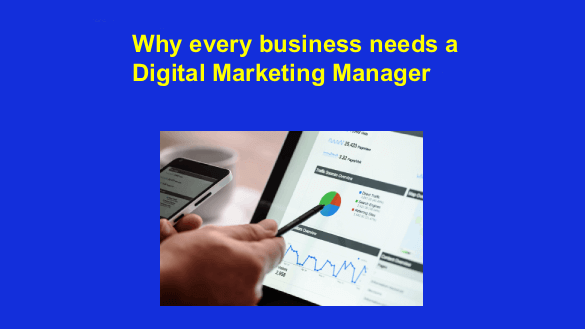
A skilled manager knows exactly which metrics matter. They move beyond vanity metrics like “likes” to focus on key performance indicators that actually impact the bottom line, such as conversion rates, customer acquisition costs, and lifetime value. By analyzing this data, they can make informed decisions to optimize campaigns in real time. If a particular strategy is notworking, they can pivot quickly to save resources. If something is succeeding, they can double down to maximize returns.
Adapting to Algorithm Changes
Digital platforms are notorious for their volatility. Search engines and social media networks frequently update their algorithms, often without warning. A strategy that worked perfectly last month might be obsolete today. Keeping up with these changes is a full-time job.
A digital marketing manager stays on the cutting edge of industry trends. They monitor algorithm updates and adjust strategies proactively to maintain visibility. Whether it is a shift in how Google ranks mobile sites or a change in organic reach on Facebook, having an expert onboard ensures your business does not get left behind. While some businesses might outsource specific tasks to an SEO company in Utah, having an internal manager to coordinate that relationship and integrate it into the broader strategy remains crucial for long-term success.
Efficient Resource Allocation
Marketing budgets are finite. Without proper management, it is easy to waste money on channels that do not deliver a return on investment. A digital marketing manager ensures that resources are allocated efficiently. They test different channels to see where your target audience is most active and responsive.
Instead of spreading the budget thin across every possible platform, they focus spending on the areas with the highest growth potential. This strategic allocation ensures that small businesses can compete effectively against larger competitors with deeper pockets.
Freeing Up Leadership Time
For many business owners, trying to manage digital marketing themselves is a significant drain on time and energy. It distracts them from their core responsibilities, such as product development, operations, and leadership. By delegating these tasks to a professional, business leaders can reclaim their time. They can focus on steering the ship while trusting that their online presence is in capable hands. This division of labor leads to a more efficient, productive, and profitable organization.
The Bridge to Customer Engagement
Marketing is no longer a one-way street. It is a dialogue. Customers expect brands to be responsive, engaging, and attentive. A digital marketing manager facilitates this two-way communication. They monitor social channels for feedback, respond to reviews, and foster a sense of community around the brand.
This active engagement humanizes the business. It shows customers that they are valued and heard. In an era where consumer loyalty is hard to win, building these genuine relationships is a powerful competitive advantage. A digital marketing manager ensures that no customer inquiry goes unanswered and that every interaction strengthens the bond between the brand and its audience.
In conclusion, a digital marketing manager is not a luxury; they are a necessity for growth in the digital age. They bring strategy, data expertise, and consistency to your efforts, allowing your business to navigate the complexities of the online world with confidence and precision.