 Balancing freedom and financial discipline
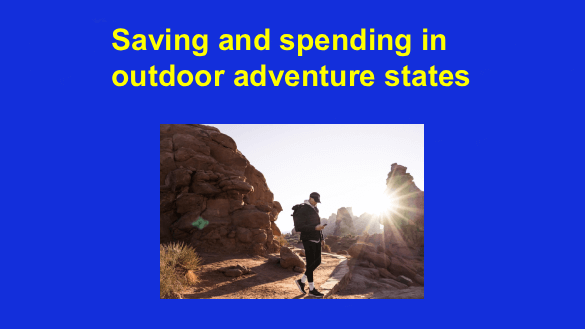
Living in a state surrounded by mountains, lakes, or desert trails offers something special—a sense of freedom that can’t be replicated in an urban high-rise. But the same lifestyle that feeds your soul can quietly drain your wallet.
Outdoor adventure states are known for their natural beauty, but they’re also places where recreation, travel, and gear can add up quickly.
Whether you live in Utah, Colorado, or Montana, managing your money in these environments means finding harmony between adventure and affordability. And when the financial balance tilts too far, resources like Utah debt relief can help residents reset without losing sight of what makes their lifestyle meaningful.
The true cost of living the outdoor dream
When you live somewhere surrounded by natural wonder, it’s easy to fall into the mindset that every weekend should be an adventure. Ski passes, camping gear, park permits, and road trips all sound harmless until you tally them up at the end of the year. Even those who think of their hobbies as “low-cost” are often surprised by how quickly expenses like fuel, food, and equipment maintenance add up.
A good strategy is to categorize recreational spending the same way you would utilities or groceries—an expected, recurring expense that deserves a defined budget. Instead of cutting back entirely, build a “fun fund” that allows for adventure while keeping long-term goals intact. The key is consistency: automatic transfers into a savings account designed for travel or recreation ensure that your next trip doesn’t come at the expense of your rent or credit card bill.
Travel costs that don’t end at the state line
Outdoor enthusiasts often underestimate how much it costs to get to those breathtaking views. The distances between national parks or trailheads in states like Utah and Wyoming can easily mean hundreds of miles of driving, and that means higher fuel and vehicle maintenance costs. If you regularly travel for recreation, start tracking how often and how far you go—it’s often eye-opening.
Carpooling or joining local outdoor clubs can reduce individual costs while building community. These groups often coordinate shared lodging and equipment, making big adventures more affordable. If your recreation involves frequent flights—say, skiing in winter and hiking in summer—consider using travel reward cards strategically. Just remember that rewards only work to your benefit when balances are paid off in full each month.
For insights on how to reduce travel-related emissions and expenses, the National Park Service’s sustainable travel resources offer useful guidance that combines eco-consciousness with practicality.
Gear, gadgets, and the myth of “buy once, cry once”
The outdoor industry thrives on the idea that premium gear equals safety and success. While quality does matter, it’s not always necessary to buy top-shelf versions of everything. Beginners especially fall into the trap of over-purchasing equipment that ends up collecting dust after a few outings. A better approach is to rent or buy secondhand until you’re sure the activity will become a lasting part of your life.
Local outdoor stores often host swap events where enthusiasts trade gently used gear at a fraction of retail cost. Some communities even have lending libraries for items like kayaks, tents, or mountain bikes. Investing in durable essentials like footwear and outerwear makes sense, but gadgets and specialty tools should earn their place in your pack through consistent use.
Seasonal income and spending rhythms
Many people in outdoor-focused states work in industries that mirror the seasons—tourism, construction, or agriculture. That means income can ebb and flow throughout the year, creating the need for proactive planning. When paychecks are larger in high seasons, set aside a portion to cover leaner months. Automatic savings deposits or short-term certificates of deposit can keep that money protected until you need it.
For households where income fluctuates dramatically, building a six-month rolling budget can help visualize upcoming shortfalls. This method spreads irregular income across predictable expenses, preventing last-minute scrambles. The U.S. Department of Labor’s financial tools for seasonal workers provide templates and strategies to maintain stability during off-peak months.
When the adventure lifestyle meets real-life bills
Even with careful planning, unexpected costs—vehicle repairs, medical bills, or job gaps—can throw off your financial flow. In those moments, many outdoor enthusiasts are reluctant to admit they need help, especially when independence is part of their identity. Yet financial stability is the foundation that supports freedom, not the enemy of it.
If debt begins to climb beyond manageable levels, structured programs such as state-specific relief options can help you regain control. For Utah residents, for example, debt relief services offer tailored approaches to reduce balances or restructure payments without sacrificing long-term credit goals. The key is addressing the issue early rather than waiting for small debts to compound.
Finding financial balance in a life of adventure
The goal isn’t to give up the adventures that make life rich—it’s to make them sustainable. That might mean trading a weekend of pricey ski passes for a local hike and a homemade campfire meal or setting financial boundaries before big-ticket trips. Over time, those mindful choices create room for both freedom and security.
Financial discipline doesn’t have to feel restrictive. It’s simply the system that allows your love for the outdoors to thrive without overshadowing your future goals. After all, the most rewarding adventures aren’t the ones that empty your savings—they’re the ones you can enjoy without worry, knowing your finances are as strong as your sense of adventure.