 You’re in the kitchen at 8 o’clock in yesterday’s T-shirt. Waiting for the kettle to finish. Messages on your phone that you’ve not yet replied to. The back door is open to the sound of a lawn mower working across town. The noise is piercing. It’s hard to focus. You’re going to find yourself impatient. Rushed meals. Even quiet is fleeting.
But that doesn’t mean that’s when you realize you need a break. That usually isn’t dramatic. Crisis. Collapsing. Just a slow, persistent annoyance that shapes the entire day. You become less patient. Your meals are hurried. Silence, when you finally get a bit of it, is temporary. A few days of bird song, endless views, and less noise around you can settle something that was strained for months.

It Is The First Time You Really Understand How Loud Everyday Life Is.
Mostly, you make adjustments without realizing it. Traffic humming in the background. Lawn mowers. Washing machines are finishing. Delivery bikes are stopping outside. Your phone is vibrating on the table while you try to write a coherent email. Each of these isn’t particularly bad by itself, and that’s the point. The pressure comes from repetition.
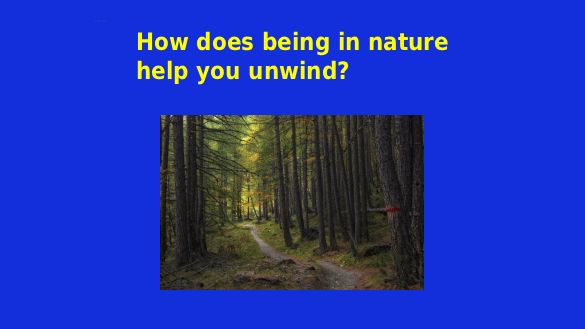
Your experience of being in nature first shifts your aural environment. Wind in trees. Distant water. Gravel crunches beneath feet. Birds chirping early in the morning before a single word is spoken. The contrast can feel almost physical; especially if you’ve been hearing nothing but the constant buzz of a weed wacker since leaving your house and all the other clipped mechanical noises of suburban life.
The impact of this shift matters because your body reacts before your mind registers it. You spend longer over coffee. You reach for your phone less quickly. You look out of the window instead of beyond it. Quiet will not resolve all problems, but it provides your body with less to contend with. That is a useful starting point.
Nature-Based Escapes Provide Fewer Distractions, Allowing For A Slower Pace During The Day.
Back home, even rest becomes administrative. You tell yourself you had a relaxing weekend, and then spend your time organizing laundry, answering messages, shopping for groceries, and standing in front of your house asking whether you need to trim the hedges. Vacations (and time off) are turned into maintenance.
Nature-based escapes offer a very different rhythm to each day because there is far less inherent within it. You may wake earlier, however, not to accomplish tasks. You awake earlier because of thinner curtains and changing daylight. Breakfast takes longer. Short walks grow into extended outings because there is no reason to shorten them. Even seemingly insignificant choices, such as deciding to eat outside before dinner, become perceived as choices rather than voids between responsibilities.
The slower speed of a nature-based vacation is more beneficial than many people realize. When your time is not divided into dozens of discrete useful blocks, your thoughts cease to circle as rapidly. You can read without glancing at the clock. You can remain stationary and allow your mind to conclude a thought. This may seem minor; however, a reset is primarily the ability to once again think clearly due to sufficient space.
Nature-Based Vacations Give You A Chance To Stop Reacting To Everything.
Daily stress has several lesser-known side effects, including turning you into a reactive individual. You respond to pinged messages, broken items, and interruptions; and you refer to all of this activity as productive because technically items are being completed. However, you are never leading the charge. You are merely reacting.
Large areas of land, roads that lead to farms, dams, lines of hills, and patches of bushveld do not require immediate action from you right away. They do not beep, alert, or prompt a reply from you. You can simply stand still for an hour without feeling like you could be spending the time more effectively. This is an unusual feeling.
The value of large areas of land lies in interrupting your reactive patterns of behavior. Although a farm road, dam, hillside, or area of bushveld may present you with many opportunities to reflect on your actions, they do not demand anything immediately from you. Therefore, you can stop reacting for at least an hour before being reminded of your responsibilities and obligations.
This is important because rest is not only about sleep or relaxation; it is also about ceasing to exist in a state of constant reaction. Once the pressure of being constantly available decreases, you will begin to recognize what has been neglected. Perhaps you were exhausted in ways you did not previously realize. Perhaps your partner has been attempting to talk to you throughout the day while you listened partially to him/her. Perhaps work has encroached upon areas where it would never normally reside. Nature does not offer solutions directly regarding these issues, but it creates an environment where they can emerge.
Smaller Local Escapes Allow For Greater Ease Of Returning Home
People frequently view rest as something that requires significant effort via an expensive vacation. Long flights, complex itineraries, busy schedules, and events worthy of celebration all represent barriers to returning home relaxed and refreshed. These trips have their own sources of stress as well: airports, transportation delays, lost luggage, etc., as well as the pressure to maximize every aspect of the trip since you paid so much money for the privilege.
Local lodges or rural retreats function in a completely different manner. After having a leisurely breakfast, you can depart and still have ample time for walking, unpacking slowly, sitting outside before sunset; there is less anticipation and less strain afterward. As a result, local escapes are easier to plan for; therefore, they are more likely to occur when you most need them.
Practicality plays an essential role here. Smaller escapes are often more authentic than larger ones because they fit into budget constraints and calendar constraints. Larger escapes typically request a greater amount from participants, whereas smaller escapes request much less; consequently, smaller escapes are more likely to become incorporated into participants’ regular self-care routines.
When you return home, even though everything looks exactly the same (the same mailbox, the same kitchen appliances), you return as someone who has experienced being quiet for a while, which is distinctly different from being lazy.
For a brief period after a successful nature-based vacation, home seems louder than prior to your departure, traffic is audible again, someone is cutting grass nearby, dogs bark, and machines operate again; and the contrast is stark once again. Yet something has changed.