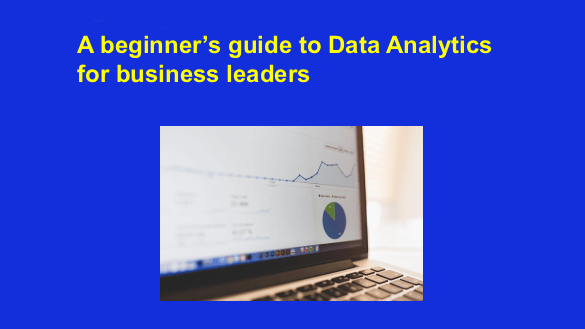
 Are you making decisions based on facts or assumptions? Do you truly understand what drives your business performance? And how confident are you that you’re using the data already available to its full potential?
In today’s competitive landscape, these questions are becoming increasingly important for business leaders. Data is no longer optional—it’s essential for staying relevant and making informed strategic choices.
What Is Data Analytics?
Data analytics refers to the process of collecting, organizing, and analyzing data to uncover patterns, trends, and insights. Businesses generate data from multiple sources—sales transactions, customer interactions, marketing campaigns, and operational processes. Analytics helps transform this information into a clear picture of what is happening and why.
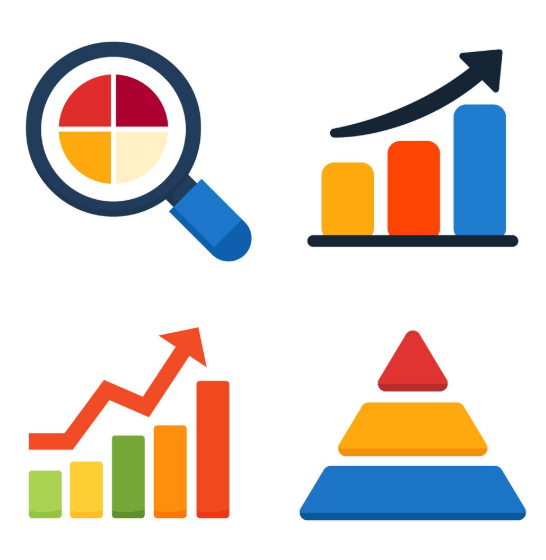
There are four main types of data analytics:
- Descriptive analytics explains what has happened.
- Diagnostic analytics explores why it happened.
- Predictive analytics forecasts what might happen next.
- Prescriptive analytics suggests actions to achieve desired outcomes.
For beginners, focusing on descriptive and diagnostic analytics is a practical starting point.
Why Data Analytics Matters for Business Leaders
Data-driven organizations consistently outperform their competitors. For leaders, analytics enables more informed decisions rather than relying solely on intuition. It helps identify inefficiencies, understand customer behavior, and uncover new growth opportunities.
For example, a retail business can analyze purchase data to identify best-selling products and seasonal trends. A service company might examine customer feedback to improve satisfaction and retention. In both cases, data provides clarity and reduces guesswork.
Key Components of a Data Analytics Strategy
To effectively use data analytics, business leaders should understand its key components:
1. Data Collection
Gather relevant data from reliable sources. This could include internal systems like CRM or ERP platforms, as well as external data such as market trends.
2. Data Quality
Poor-quality data leads to misleading insights. Ensuring accuracy, completeness, and consistency is critical.
3. Tools and Technology
Modern analytics tools make it easier to visualize and interpret data. Dashboards and reporting software allow leaders to monitor key metrics in real time without needing deep technical expertise. Tools like Analytica can help simplify analysis and support more confident decision-making.
4. People and Skills
Having the right talent is essential. This may include data analysts, data scientists, or even upskilled employees who can interpret and communicate insights effectively.
5. Decision-Making Culture
Data analytics is most powerful when embedded in the organization’s culture. Leaders should encourage teams to use data when making decisions, rather than relying purely on assumptions.
Getting Started: Practical Steps
For business leaders new to data analytics, the best approach is to start small and scale gradually.
- Define clear objectives
Identify the key business questions you want to answer. For example: “Why are sales declining in a specific region?” or “Which marketing channels deliver the highest return?”
- Focus on key metrics (KPIs)
Avoid overwhelming yourself with too much data. Instead, track a handful of meaningful metrics aligned with your goals.
- Leverage existing tools
Many organizations already have access to analytics features within their current software. Start there before investing in advanced solutions.
- Build data literacy
Encourage basic understanding of data across your leadership team. This ensures insights are interpreted correctly and used effectively.
- Iterate and improve
Data analytics is not a one-time project. Continuously refine your approach as your business evolves.
Common Challenges to Watch Out For
While the benefits are clear, there are common pitfalls to avoid:
- Data overload: Too much information can lead to confusion rather than clarity.
- Lack of alignment: Analytics efforts should always tie back to business goals.
- Overreliance on tools: Technology is only as valuable as the questions you ask.
- Resistance to change: Teams may be hesitant to adopt data-driven approaches without strong leadership support.
The Future of Data-Driven Leadership
As technology advances, data analytics is becoming more accessible and powerful. Artificial intelligence and automation are enabling faster insights and more accurate predictions. However, the role of the business leader remains crucial. Tools can provide answers, but leaders must ask the right questions and make strategic decisions.
Ultimately, embracing data analytics is about building a smarter, more agile organization. By starting with clear goals, focusing on meaningful data, and fostering a culture of curiosity, business leaders can unlock the full potential of their data—and gain a lasting competitive advantage.